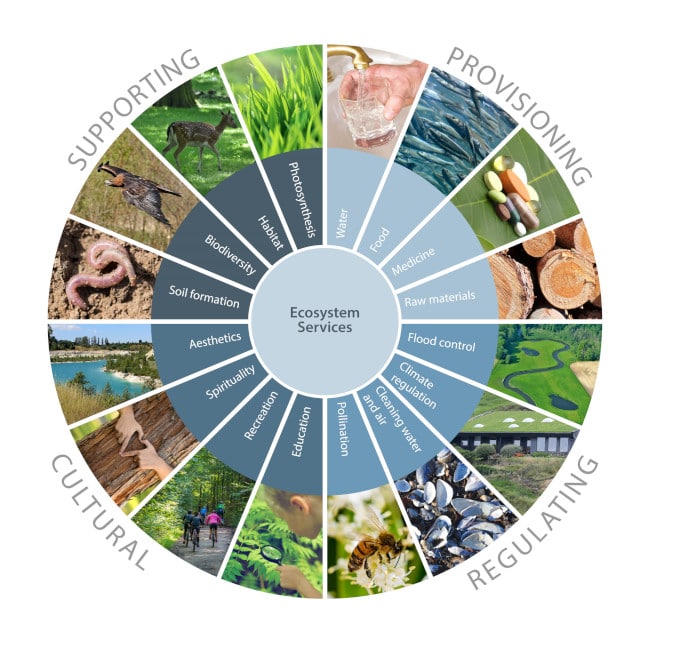
Biodiversity is all the different kinds of life you’ll find in one area—the variety of animals, plants, fungi, and even microorganisms like bacteria that make up our natural world. Each of these species and organisms work together in ecosystems, like an intricate web, to maintain balance and support life. Biodiversity supports everything in nature that we need to survive: food, clean water, medicine, and shelter.
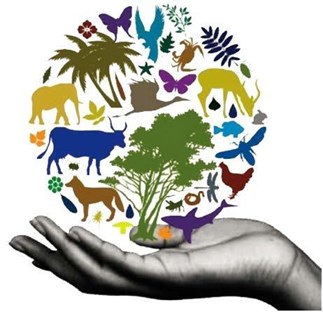
But as humans put increasing pressure on the planet, using and consuming more resources than ever before, we risk upsetting the balance of ecosystems and losing biodiversity.WWF’s 2022 Living Planet Report found an average 69% decline in global populations of mammals, fish, birds, reptiles, and amphibians since 1970. The 2019 landmark Global Assessment Report by the Intergovernmental Platform on Biodiversity and Ecosystem Services reported 1 million animal and plant species are now threatened with extinction—the highest number in human history.
Three-quarters of the land-based environment and roughly 66% of the ocean environment have been significantly altered. More than a third of the world’s land surface and nearly 75% of freshwater resources are now devoted to crop or livestock production. Climate change worsens the impact of other stressors on nature and our well-being. Humans have overfished the oceans, cleared forests, polluted our water sources, and created a climate crisis. These actions are impacting biodiversity around the world, from the most remote locales to our own backyards.
Pledge for our planet
Our planet is facing major conservation challenges from threats like climate change, deforestation, overfishing, and illegal wildlife trade. But protecting our planet and keeping planetary warming below 1.5C (2.7° F) is not impossible and none of us need to do it alone. Our impact on the planet primarily comes from what we eat, what we buy, how we power our homes, and how we travel from place to place. Of course, governmental policies and protections also play an important role.
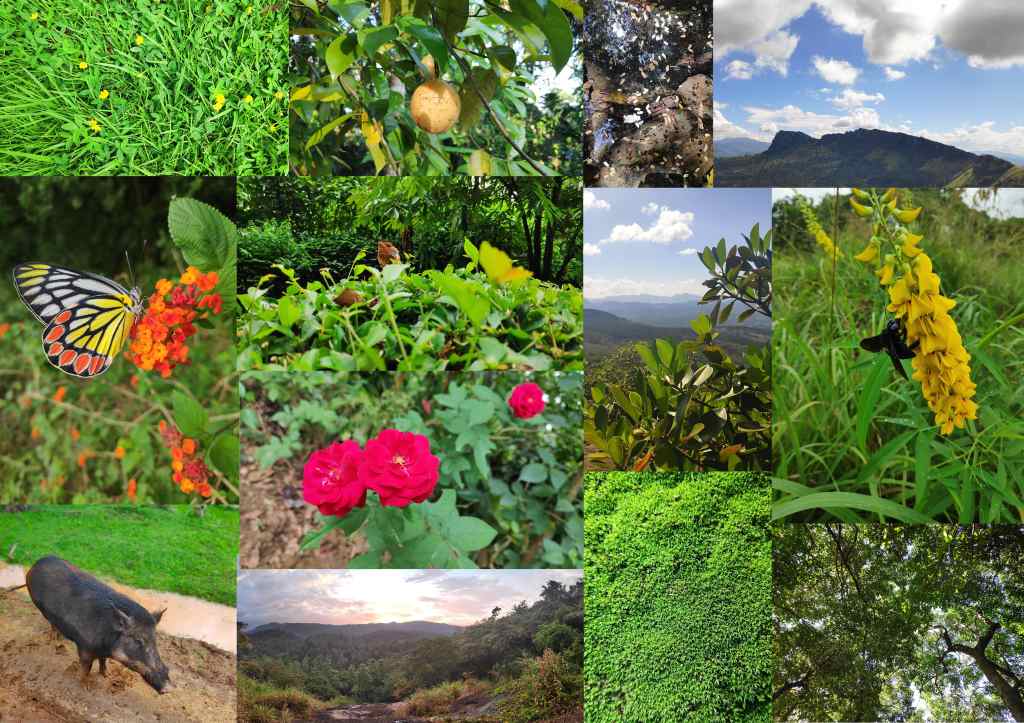
Even the most important biodiversity hubs around the world are not immune from human pressures. Borneo, a massive island in southeast Asia, is home to more than 1,400 different animal species, and at least 15,000 plant species. Iconic wildlife like orangutans, pygmy elephants, clouded leopards, rhinos, and proboscis monkeys share the landscape with the world’s tallest tropical trees. You’ll also find more than 50 species of carnivorous pitcher plants that trap and consume insects and small animals. There are up to 3,000 species of orchids; flying, color-changing frogs; and slugs that shoot darts at their mates.
 Site Title